Rivers are the easiest place in the mountains to find birds, and the Clinch is no exception. Water draws everything to it — insects rise off the surface, fish move in the shallows, and the trees that line the bank give cover and song perches. Stand quietly at a river's edge for an hour and you'll often see more in that time than a whole morning spent thrashing through the forest.
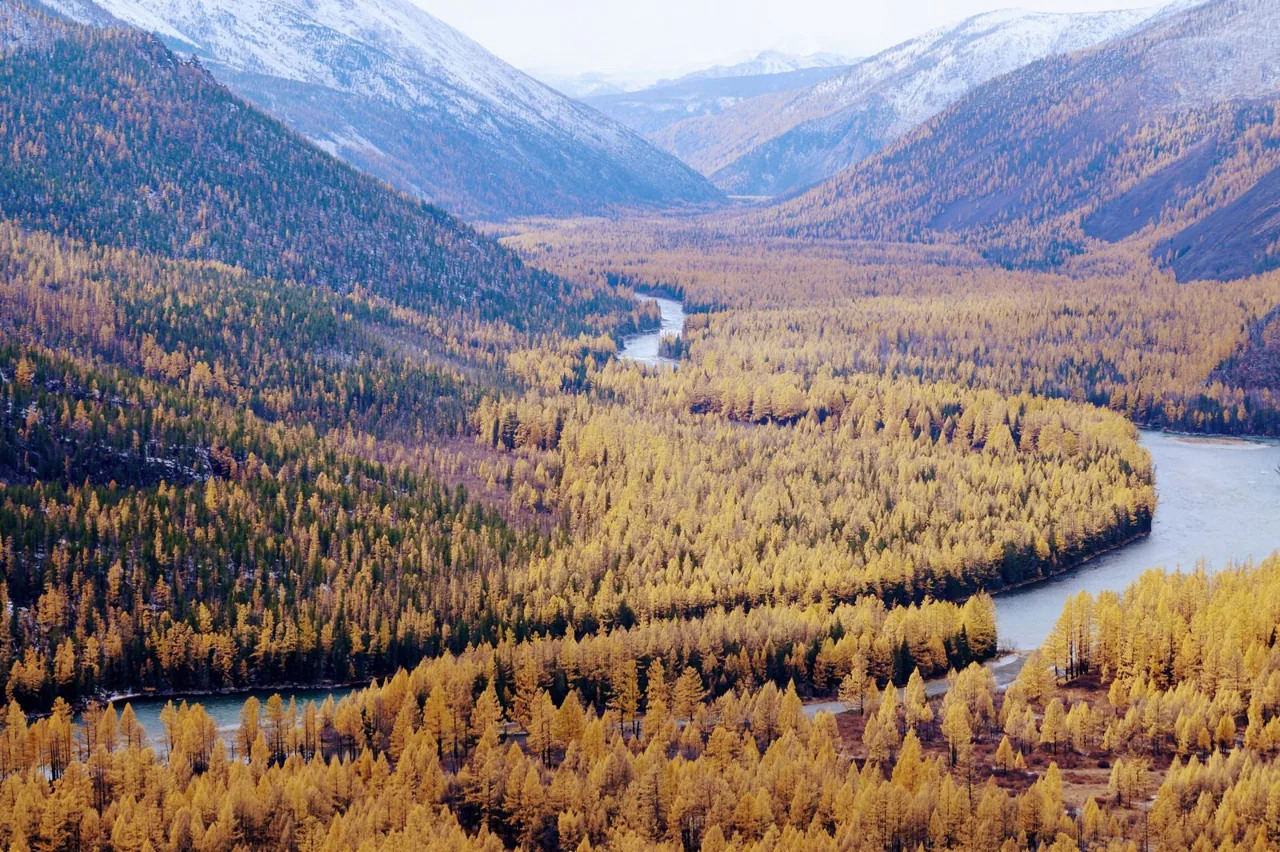
The reason is geography. River valleys cut natural corridors through the Appalachian ridges, and birds use them the way we use highways — to travel, to feed and, twice a year, to migrate. Learn to read these corridors and a riverbank becomes one of the richest places to watch wildlife anywhere in the region.
What You'll See, and Where
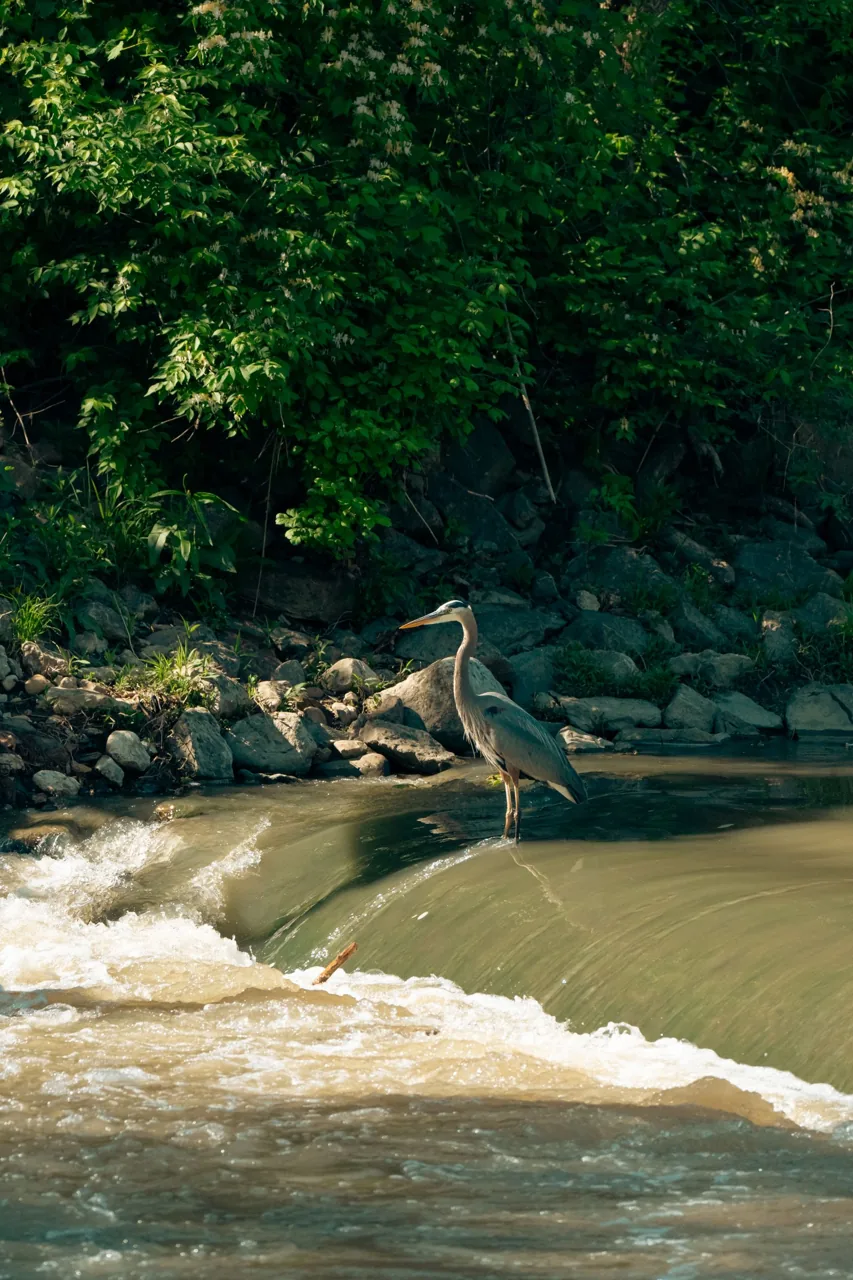
Different birds favour different zones of the river, so it pays to look in layers. Down on the water and gravel bars, watch for great blue herons standing statue-still, spotted sandpipers bobbing along the shallows, and the electric-blue flash of a belted kingfisher rattling downstream. In the brushy margins where bank meets forest, listen for the bright song of the Louisiana waterthrush — a bird so tied to clean, fast streams that its very presence signals a healthy river.
Higher up, in the canopy along the bank, spring brings a parade of warblers: the yellow throat, the prothonotary glowing gold against the green, and dozens of others passing through on their way north. Overhead, ospreys and the occasional bald eagle patrol the bigger pools for fish.
When to Go
Timing shapes everything. The two migration windows — roughly April to May in spring and September to October in autumn — are the headline events, when the variety of species peaks and the canopy fills with movement and song. But each season offers something. Summer brings nesting birds and steady activity at dawn; winter strips the leaves away and makes resident species far easier to spot against bare branches.
Whatever the season, the first two hours after sunrise are golden. Birds feed most actively then, the light is soft and low, and the river is at its quietest. Come midday, activity tends to fall away until the cooler evening hours.
What to Bring, and How to Behave
You need surprisingly little. A decent pair of binoculars in the eight- or ten-power range does most of the work, paired with a regional field guide or a good identification app. Wear muted colours, move slowly, and let your ears do as much as your eyes — many birds are heard long before they're seen.
Above all, keep your distance. Never approach a nest, never play recorded calls to lure birds in during breeding season, and stay on established paths to avoid trampling the streamside vegetation they depend on. Watched gently and from a respectful distance, the birds of the Clinch will go about their lives undisturbed — and reward you with a window into one of the most alive places in the mountains.