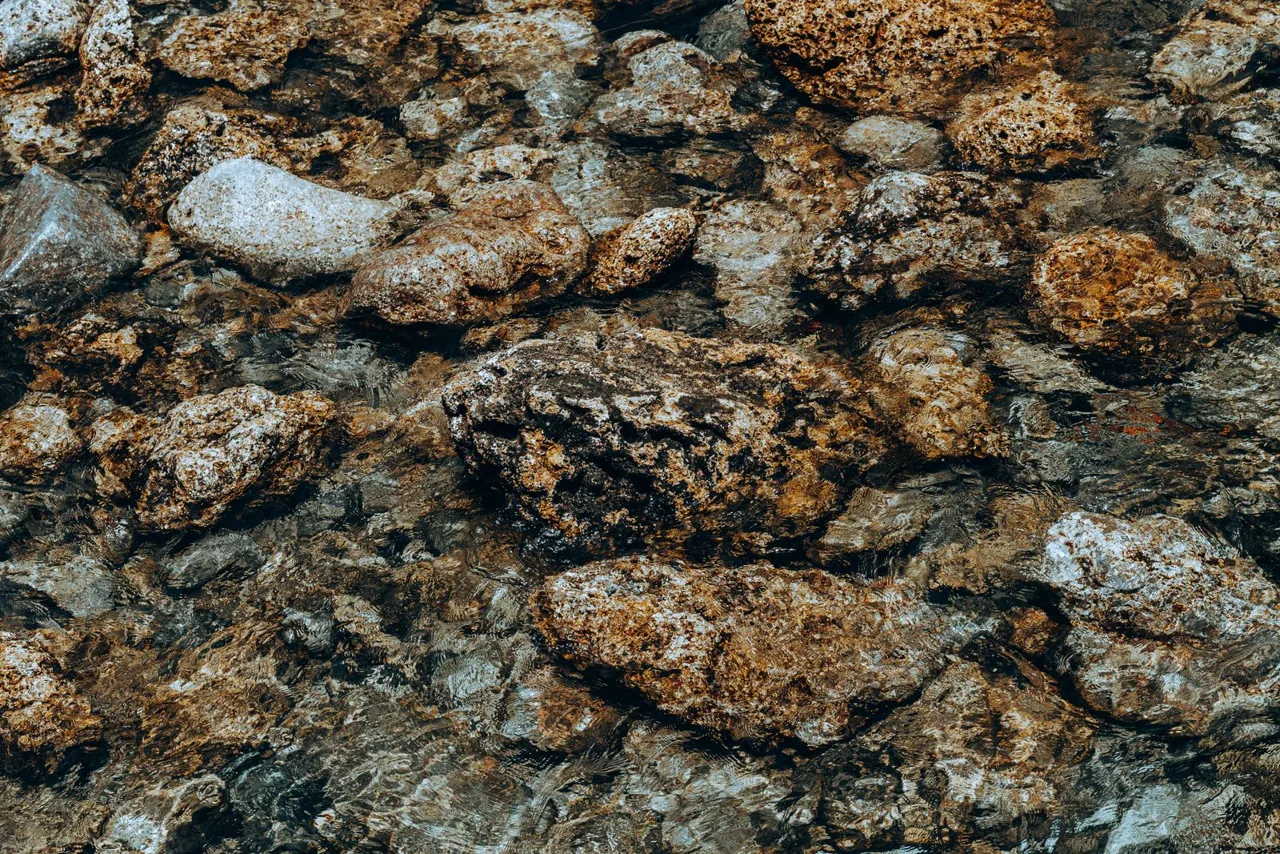
Most people who float the Clinch never see the animals that make it famous. They live below the surface, half-buried in gravel, going about their work in silence. Yet these unassuming freshwater mussels are the reason biologists travel from across the country to wade this river — and the reason it's often called the most biodiverse waterway of its kind in North America.
The numbers are genuinely remarkable. The Clinch and its sister river the Powell support dozens of mussel species, several of which exist almost nowhere else on the planet. Names like the birdwing pearlymussel and the Cumberland combshell read like an inventory of the rare and the endangered, because that's exactly what they are.
The Filter Feeders Holding the River Together
A mussel spends its life doing one thing extraordinarily well: filtering water. A single adult can process many gallons a day, drawing in river water, stripping out algae, sediment and bacteria, and pushing it back out cleaner than it arrived. Multiply that by the dense beds that carpet some Clinch riffles and you have a living water-treatment system working around the clock, free of charge.
That service is why mussels are considered a keystone presence. Clean water supports the insects that feed the fish, the fish that feed the birds, and so on up the chain. When the mussels thrive, the whole river tends to thrive with them. When they decline, it's usually the first sign that something upstream has gone wrong.
A Strange and Clever Life Cycle
Mussels can't move far, so they've evolved one of the more ingenious reproductive tricks in fresh water. The female releases her larvae, called glochidia, which must hitch a ride on the gills of a passing fish to survive. Some species lure their hosts in with astonishing mimicry — a fleshy lobe that twitches and shimmers exactly like a small minnow, drawing a hungry fish close enough to be dusted with larvae. The young ride along until they drop off, settle into the gravel, and begin the slow business of growing up.
It's a system that took millions of years to refine, and it depends entirely on healthy fish populations and clean, stable streambeds. Break either link and the whole cycle falters.
Why They're Vulnerable — and Worth Protecting
For all their resilience, mussels are sensitive creatures. They can't flee pollution, sedimentation or a sudden change in water chemistry. A single chemical spill upstream has, in the past, wiped out long stretches of Clinch mussel beds in a matter of days. Recovery, when it comes at all, can take decades.
That fragility is exactly why the river's mussels deserve our care. Travellers can help simply by treading lightly — keeping to established access points, never disturbing the riverbed, and supporting the conservation groups working to restore depleted beds. The next time you drift over a gravel bar on the Clinch, picture the quiet, ancient community working below you. Then leave it exactly as you found it.