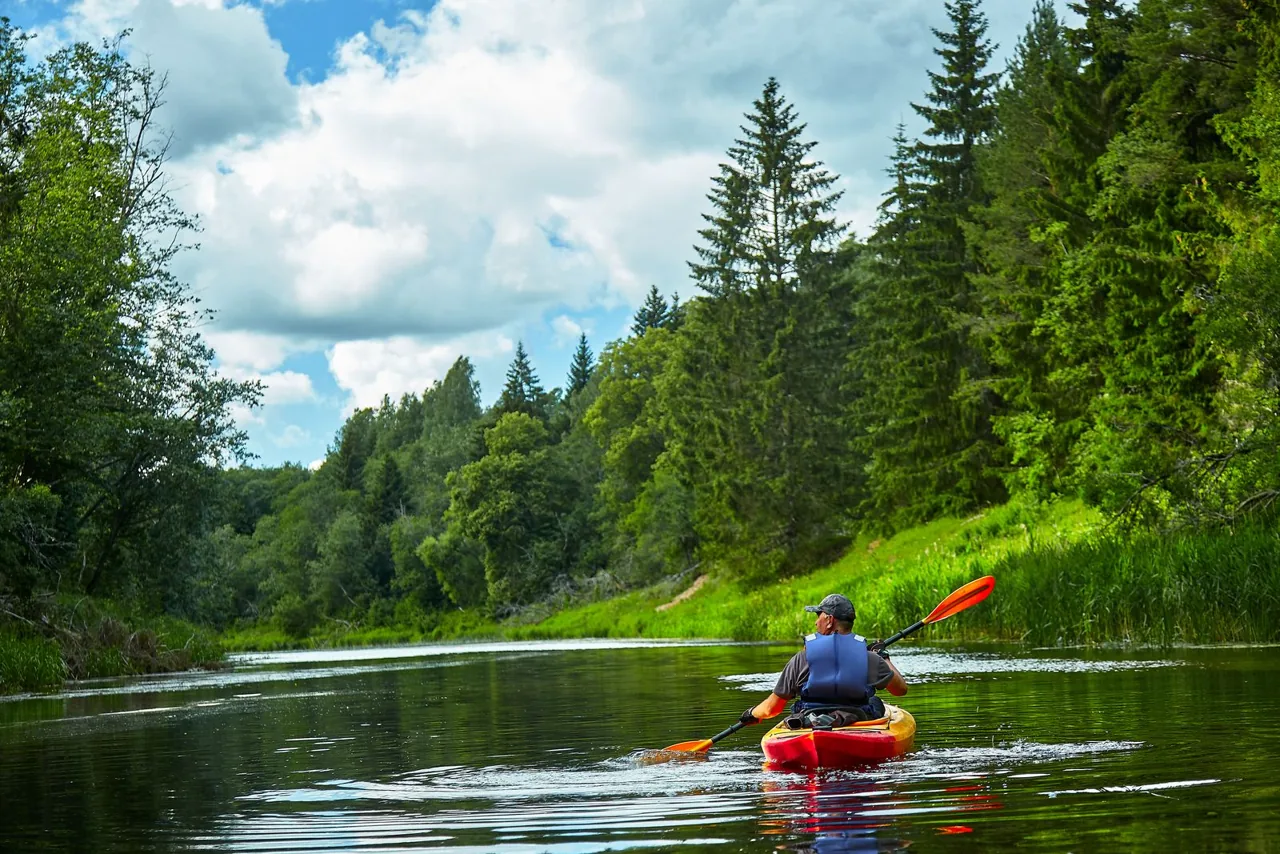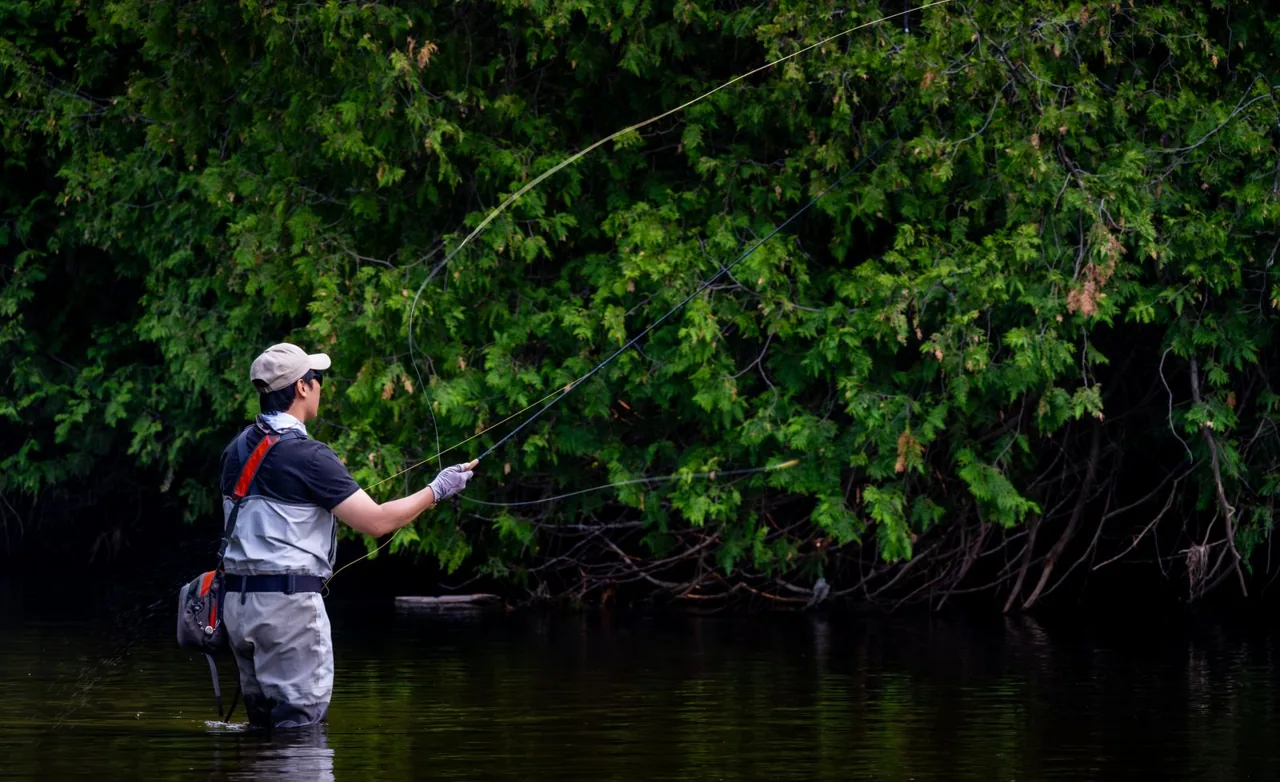
The Clinch is the kind of river that rewards patience. Its cold, clear tailwater stretches hold healthy populations of trout and smallmouth, and on a still morning, with mist still hanging over the riffles, it can feel like you have the whole valley to yourself. Fished thoughtfully, it stays that way — which is the whole point of catch-and-release.
Releasing fish unharmed isn't just an ethic; it's how a river like this keeps producing memorable days year after year. But "catch and release" only works if the release is done well. A fish returned carelessly often doesn't survive, which defeats the entire purpose. Here's how to do it right.
Gear That Protects the Fish
Start with your terminal tackle. Barbless hooks — or barbed hooks with the barb pinched flat — come out cleanly and cut handling time dramatically. Carry a rubberised landing net rather than a knotted one, which can strip the protective slime coat that shields a fish from infection. A pair of forceps for quick hook removal and a small pair of pliers round out the kit. None of it is expensive, and all of it tilts the odds toward the fish swimming away strong.
Match your line and rod to the water too. Heavier tackle lets you land a fish faster, which sounds counterintuitive but matters: a long, exhausting fight builds up lactic acid in the fish and sharply lowers its chances after release.
Reading the Tailwater
The Clinch's flows are governed by upstream dam releases, so the river you fish in the morning may look entirely different by afternoon. Check the generation schedule before you wade in — rising water can leave an inattentive angler stranded on the wrong bank in minutes. The best fishing usually comes on low, stable flows, when fish hold in predictable seams and feeding lanes.
Look for the soft water just off the main current: the inside of bends, the tailouts of pools, the slack behind a midstream boulder. That's where fish rest and feed without fighting the flow. Many of the same conservation principles that guide responsible anglers everywhere are well summarised in this guide to river fishing, which is worth a read before your first trip.
The Right Way to Release
When the fish is at the net, keep it in the water. Wet your hands before touching it, remove the hook quickly, and skip the long photo session — every second out of the water counts. If you must lift it, support its belly and never squeeze. Before letting go, cradle the fish facing upstream until it kicks free under its own power. That moment, when it darts back into the current, is the quiet reward of fishing a river you intend to keep healthy.
Fish the Clinch this way and you join a long line of anglers who've handed the river on intact. That, more than any trophy, is what a good day here is really about.