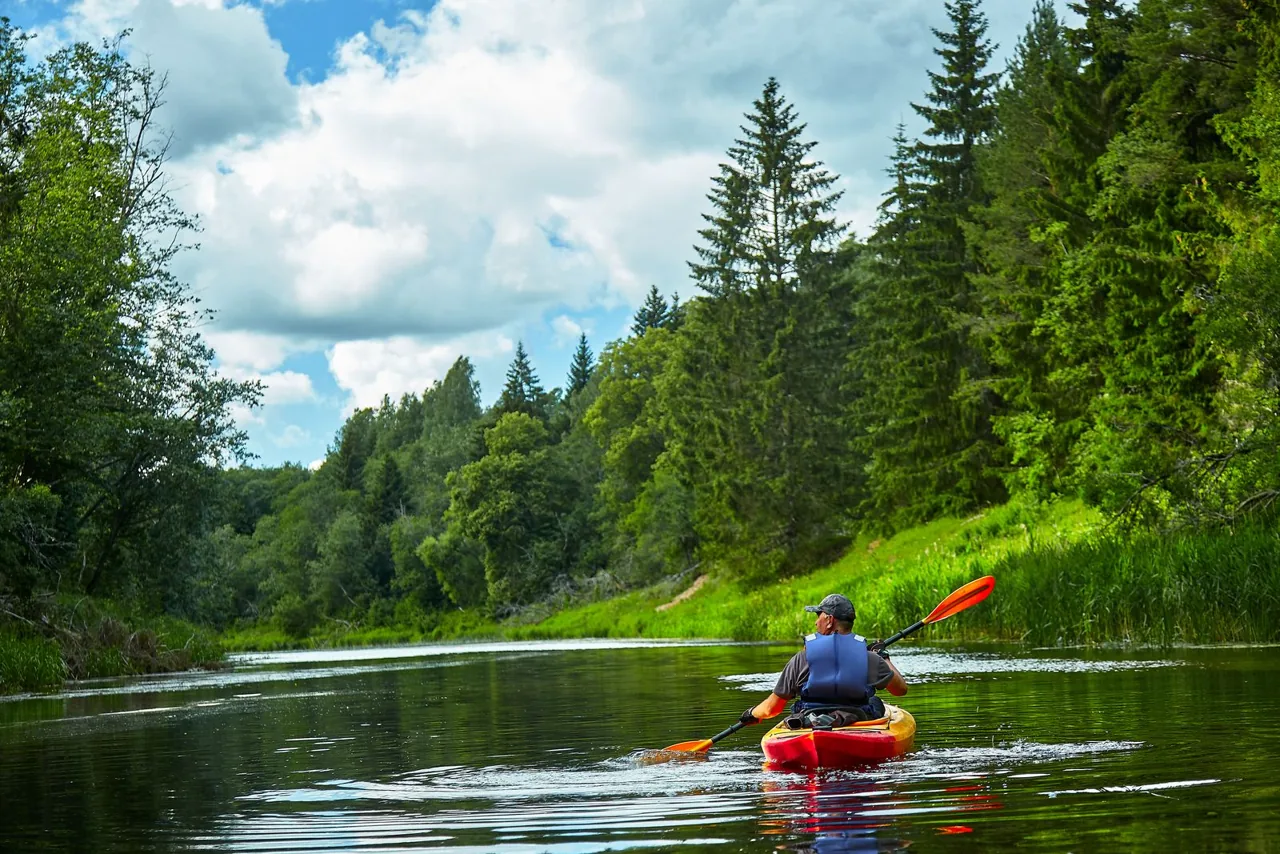
The Clinch has a reputation among paddlers, and it's a gentle one. For most of its length it moves at the pace of a slow conversation — wide, unhurried and shallow enough to read. That makes it one of the friendliest big rivers in the southern Appalachians for a first kayak trip, provided you treat it with the same respect you'd give any moving water.
If you've never sat in a boat before, the Clinch won't punish you for it. But a little planning turns a nervous outing into the kind of day you'll want to repeat. Here's what a first-timer should know before pushing off.
Choosing Your Stretch
Not all of the river paddles the same. The upper reaches in Virginia run cooler and a touch quicker, while the broad Tennessee sections below the confluence tend to flatten out into long, easy glides. For a first trip, look for a put-in and take-out roughly three to five miles apart. That's enough distance to feel like a real journey without committing you to six hours on the water if the wind turns or your shoulders tire.
Local outfitters near Kyles Ford and Sneedville can shuttle you between access points, which saves the headache of running two cars. Ask them about the day's flow before you commit — they watch the gauges daily and will steer you off anything that's running high.
Reading the Water
Most of what unsettles new paddlers is simply the unfamiliar. The Clinch's gentle riffles — the small, choppy patches where the river runs over gravel bars — look more intimidating than they are. Point the bow straight through them, keep paddling, and you'll glide out the bottom every time. The real things to watch for are strainers: fallen trees and brush that water passes through but you can't. Give them a wide berth and never paddle toward one broadside.
When in doubt, the safest line is usually the deepest, smoothest tongue of water — the dark, glassy V that points downstream. Follow it and let the river do the work.
Gear and Timing
You don't need much, but what you bring matters. A properly fitted life jacket is non-negotiable and should stay zipped, not stowed. Bring more water than you think you'll drink, a dry bag for your phone and keys, sun protection, and shoes you can swim in. Cotton stays wet and cold once it's soaked, so reach for synthetics or quick-dry layers instead.
Late spring through early autumn offers the most forgiving conditions, with warm water and steady, moderate flows. Aim to launch by mid-morning so you're off the river before afternoon storms build over the ridges. Tell someone your route and your expected return time — a small habit that costs nothing and matters enormously.
Go slow, look up often, and let the Clinch introduce itself. There's no better first river to learn on.