There are few finer places to spend a night than a sandbar above a slow river, the water murmuring past in the dark and the stars wheeling overhead. Riverside camping is one of the great rewards of a multi-day paddle. It's also a privilege that's easy to spoil — for the next traveller, and for the river itself — if you don't camp with care.
The framework that's guided low-impact camping for decades is Leave No Trace: a set of principles designed to let us enjoy wild places while passing them on unblemished. Applied to a riverbank, they're mostly common sense, but the details matter. The full set of guidelines is well worth reviewing, and the seven Leave No Trace principles form the backbone of everything that follows.
Choose the Right Spot
Where you camp does more damage than almost anything else you do. Whenever possible, use an established site that already shows wear rather than creating a fresh clearing — concentrating impact on durable surfaces keeps the rest of the bank pristine. Gravel bars, sand and bare ground are ideal; vegetation, soft soil and fragile bank edges are not.
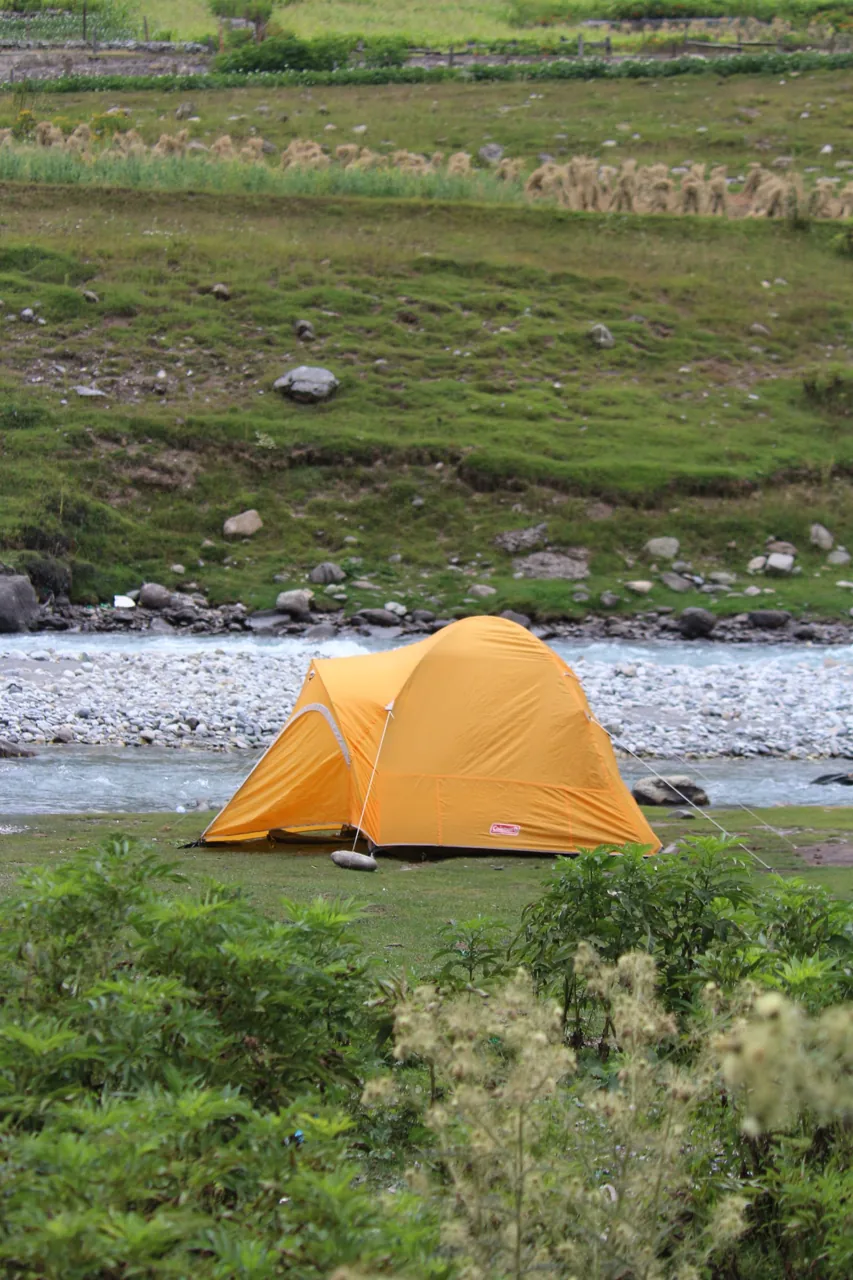
Camp well back from the water's edge, ideally two hundred feet where the terrain allows. That distance protects the sensitive riparian zone, keeps your gear safe from a sudden rise in the river, and leaves the immediate bank clear for wildlife that comes to drink at dawn and dusk.
Handle Waste With Care
Nothing ruins a wild riverbank faster than the traces of the people who came before. Pack out everything you bring in, down to the smallest scrap — food wrappers, fruit peels, bits of cord. Organic waste doesn't belong here either; an apple core tossed in the bushes attracts animals and lingers far longer than most people expect.
Human waste demands real attention near water. Dig a cat-hole at least six to eight inches deep and a good distance from the river, or better still, carry a portable waste system on heavily used stretches. Wash yourself and your dishes well away from the bank, using only biodegradable soap and scattering the strained water widely so it filters through the soil rather than running straight back into the river.
Tread Lightly in Camp
The small choices add up. Keep fires minimal or skip them entirely, using a camp stove for cooking and an existing fire ring if you must have flames — never build a new one, and never scar a fresh patch of ground. Keep your voice down and your group small, both for your own sense of wildness and for the animals whose home you're borrowing.
When you break camp, take a slow walk around the site and erase the signs of your stay: scatter any disturbed gravel, pick up the micro-litter you missed, and leave the place looking as though no one had been there at all. That, in the end, is the whole idea. Camp this way along the Clinch and the bank that gave you a perfect night will be waiting, just as perfect, for whoever comes next.